
How to Automate Your Small Business in Kenya (Save Time & Increase Profits)
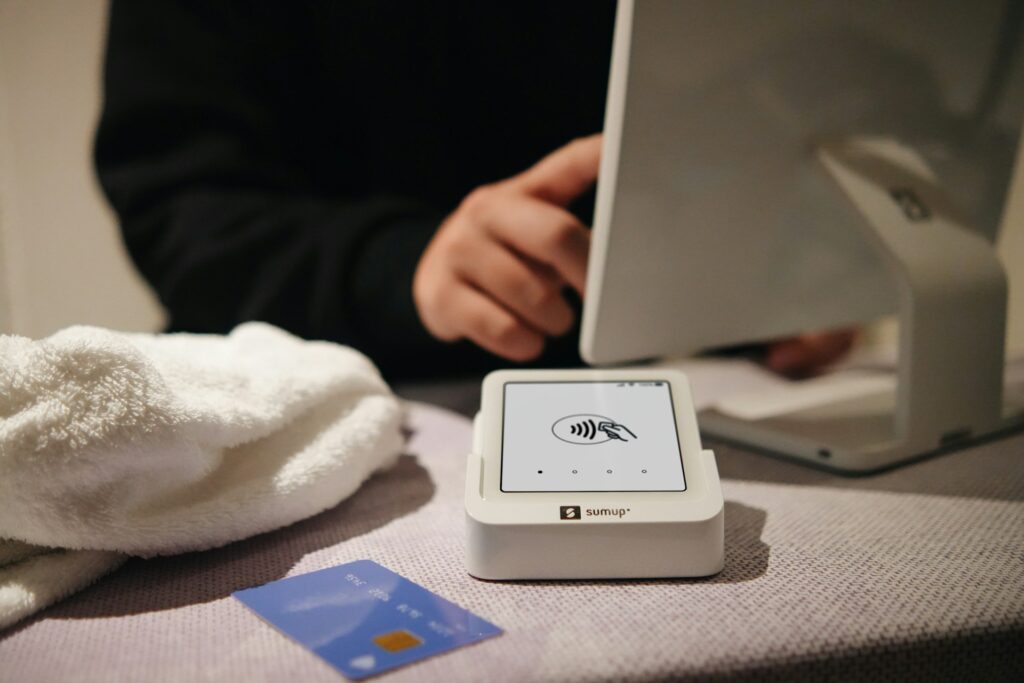
It’s 5:30 PM on a Friday in Nairobi. While other businesses are winding down, you’re still manually typing invoices for the week, copying customer names from M-Pesa messages into a spreadsheet, and trying to remember if you replied to that client who emailed three days ago. Sound familiar?
For many small business owners in Kenya, this is the reality. You started your business to pursue a passion—whether it’s supplying electronics, running a catering service, or offering consulting—but you find yourself drowning in administrative tasks. You’re the CEO, accountant, marketer, and secretary all rolled into one.
This is the manual work problem. It’s the silent killer of small business growth. When you’re stuck doing repetitive tasks, you’re not doing the things that actually make money: serving customers, developing new products, or expanding your market reach.
But what if you could get those hours back? What if invoices sent themselves, payments were tracked automatically, and customers received instant responses without you typing a single word?
That’s not a fantasy. That’s business automation. And it’s more accessible and affordable for Kenyan businesses than you might think.

What is Business Automation?
Let’s clear something up first. Business automation is not about replacing humans with robots or making your business cold and impersonal. It’s about using technology to handle repetitive, rule-based tasks so that you and your team can focus on work that requires genuine human intelligence, creativity, and empathy.
Think of it this way: If a task follows a pattern, a computer can probably do it. If a task requires judgment, relationship building, or creative thinking, that’s where you come in.
Automation is the bridge between where your business is today—overwhelmed with manual work—and where it could be: efficient, scalable, and profitable.

Areas You Can Automate in Your Kenyan Business
The beauty of modern automation tools is that they can integrate with almost every part of your operations. Here are the key areas where Kenyan small businesses can see immediate wins.
1. Email Automation
Email is probably consuming hours of your week. You’re sending quotes, following up on payments, answering the same questions over and over, and trying to keep customers informed.
What you can automate:
Welcome emails: When a new customer makes their first purchase or signs up for your newsletter, an automated welcome sequence can introduce your brand, set expectations, and even offer a discount on their next purchase.
Follow-up sequences: Not everyone buys the first time they inquire. Automated follow-up emails can gently remind prospects about your products or services without you having to remember to email them every few days.
Payment reminders: Instead of awkwardly WhatsApp-ing customers asking “Habari ya malipo?”, you can set up automated reminders that go out a few days before payment is due and again when it’s overdue.
Common question responses: If customers frequently ask the same questions (business hours, location, return policy), you can create automated responses that provide instant answers.
2. Invoicing Automation
Manual invoicing is a nightmare. You create the invoice, you email it, you wait, you follow up, you check if it’s paid, you record the payment. That’s at least five steps for every single transaction.
What you can automate:
Recurring invoices: If you have clients on retainers or subscription models, invoices can be generated and sent automatically on the same day each month.
Invoice generation from orders: When a customer places an order (through a website, email, or even a form), an invoice can be created automatically and sent to them without you touching anything.
Payment confirmation: When a customer pays, an automated receipt and thank-you message can be sent immediately, confirming their transaction and outlining next steps.
3. Payment Automation
M-Pesa has revolutionized payments in Kenya, but it has also created a new kind of manual work: checking statements, matching payments to invoices, and reconciling accounts.
What you can automate:
Automatic payment reconciliation: Modern business tools can integrate with M-Pesa APIs or bank feeds to automatically match incoming payments to outstanding invoices. No more staring at your phone and your spreadsheet at the same time.
Payment reminders via SMS: For customers who prefer SMS over email, automated payment reminders can be sent directly to their phones.
Invoice marking: When a payment comes in, the system can automatically mark the related invoice as “paid” and update your cash flow records in real-time.
4. Customer Management (CRM)
Your customers are your most valuable asset. But if you’re tracking them in notebooks, Excel sheets, or just in your memory, you’re leaving money on the table.
What you can automate:
Contact organization: Every customer who emails you, fills out a form, or makes a purchase can be automatically added to a central database with their details, preferences, and history.
Lead tracking: When a potential customer inquires, the system can track every interaction—emails sent, calls made, quotes provided—so you always know where each prospect stands.
Birthday and anniversary messages: Automated greetings on special dates build goodwill and customer loyalty without you having to remember every client’s birthday.
Segmentation: Customers can be automatically grouped based on their behavior (e.g., “frequent buyers,” “inactive for 3 months,” “high value”) so you can target your marketing appropriately.

Tools to Use: The Zoho Ecosystem
When it comes to automation tools, there are countless options. But for Kenyan small businesses, one ecosystem stands out for its affordability, comprehensiveness, and accessibility: Zoho.
Zoho is a suite of business applications that work together seamlessly. Instead of buying separate tools for email, invoicing, and customer management—and struggling to make them talk to each other—Zoho provides an integrated platform.
Key Zoho tools for automation:
Zoho CRM: The heart of customer management. It tracks every interaction, automates follow-ups, and helps you understand your sales pipeline.
Zoho Books: Accounting and invoicing software designed for small businesses. It handles invoicing, expense tracking, payment reconciliation, and financial reporting.
Zoho Mail: Professional email hosting that integrates with the entire ecosystem.
Zoho Campaigns: For email marketing automation, from newsletters to targeted promotions.
Zoho Flow: This is the glue. It connects Zoho apps with each other and with third-party tools (like M-Pesa payment gateways) to create custom automations.
The magic of Zoho is that data flows between these applications automatically. When a customer pays an invoice in Zoho Books, Zoho CRM knows they’re now a paying customer. When a lead reaches a certain stage in the CRM, Zoho Campaigns can automatically send them relevant information.

Real-Life Examples: Automation in Action
Let’s make this concrete. Here are three scenarios showing how automation works for different types of Kenyan businesses.
Example 1: The Freelance Graphic Designer
Before automation: Sarah spends her mornings sending quotes to potential clients. She types each quote manually based on the project scope. After sending, she adds a reminder in her phone to follow up in three days. When a client agrees to proceed, she sends an invoice via email, then manually checks her M-Pesa until payment arrives. She spends about 15 hours a month on administrative work.
After automation:
Sarah creates a quote template in Zoho CRM. When a client inquires, she fills in the specifics and sends it with one click.
The CRM automatically creates a follow-up task for three days later if the quote hasn’t been accepted.
When the client accepts, the system generates an invoice in Zoho Books and sends it automatically.
When payment arrives, it’s automatically matched to the invoice, and the CRM updates the project status to “active.”
Sarah now spends 3 hours a month on admin and has 12 extra hours for design work—generating more income.
Example 2: The Wholesale Supplier
Before automation: James supplies electronics to retailers across Nairobi. He has 50 regular customers who order via WhatsApp. Every evening, he manually creates invoices for the day’s orders, sends them, and then spends the next morning chasing payments. Reconciliation at month-end takes two full days.
After automation:
Customers now order through a simple online form or WhatsApp business integration.
Orders automatically create invoices in Zoho Books, which are sent to customers with payment instructions including Till or Paybill numbers.
When customers pay, the system matches the M-Pesa transaction to the invoice automatically.
James gets a real-time dashboard showing who has paid and who hasn’t, with automated reminders going to overdue accounts.
Month-end reconciliation now takes two hours instead of two days.
Example 3: The Service-Based Business (Digital Marketing Agency)
Before automation: Wanjiku runs a small digital marketing agency. She manages clients through a combination of email threads, WhatsApp groups, and scattered notes. She often forgets to follow up on proposals, and some clients slip through the cracks. Onboarding a new client requires her to send the same information manually every time.
After automation:
When a lead fills out the contact form on her website, they’re automatically added to Zoho CRM.
A welcome email sequence introduces her agency and sets expectations for response times.
When a lead becomes a client, an automated onboarding sequence sends them all the necessary forms, questionnaires, and agreements.
Monthly invoices are generated and sent automatically on the same date each month.
Automated satisfaction surveys go out after each major project milestone.
Wanjiku now manages twice as many clients without increasing her workload.
Benefits of Automation for Kenyan Businesses
The examples above illustrate the benefits, but let’s enumerate them clearly.
1. Time Savings
This is the most obvious benefit. Tasks that used to take hours now take minutes—or happen without you doing anything at all. According to studies, small business owners spend up to 20% of their time on administrative tasks that could be automated. That’s one full day per week back in your pocket.
2. Reduced Errors
Humans make mistakes. We transpose numbers, forget to follow up, send invoices to the wrong person. Software follows rules perfectly every time. Automated systems reduce the risk of costly errors in invoicing, data entry, and customer communication.
3. Improved Cash Flow
When invoices go out late, payments come in late. When follow-ups are inconsistent, some clients never pay. Automation ensures invoices are sent promptly and reminders are consistent. Many businesses see significant improvements in their payment collection times after implementing automated invoicing.
4. Better Customer Experience
Customers expect fast responses. With automation, they get instant acknowledgments, immediate invoices, and timely reminders. They also receive more personalized communication because you have a complete history of their interactions with your business. This builds loyalty and increases repeat business.
5. Scalability
Here’s the hard truth: if your business relies on you doing everything manually, you are the bottleneck. You can only grow as much as your personal capacity allows. Automation breaks that ceiling. It allows you to handle more customers, more transactions, and more complexity without proportionally increasing your workload.
6. Data-Driven Decisions
When your business processes are automated, you generate data. You can see exactly how many leads you’re getting, where they come from, how long they take to convert, who your most profitable customers are, and when your busiest times occur. This data helps you make smarter decisions about where to invest your time and money.
7. Peace of Mind
Perhaps the most underrated benefit. Knowing that invoices are going out, payments are being tracked, and customers are being followed up—even when you’re not at your desk—reduces stress. You can take a weekend off without the nagging feeling that something is slipping through the cracks.
Getting Started: Where to Begin
If you’re convinced that automation is the way forward, you might be wondering where to start. The prospect of automating your entire business can feel overwhelming. Here’s a simple approach:
Audit your time: For one week, track how you spend your working hours. Identify the repetitive tasks that consume most of your time.
Start with one area: Pick the biggest pain point—the task you hate most or the one that takes the most time. For most businesses, this is either invoicing or customer follow-up.
Choose the right tools: Select software that addresses that specific pain point but can grow with you. This is where the Zoho ecosystem shines—you can start with just Zoho Books for invoicing and add other modules later as needed.
Implement properly: Take the time to set things up correctly. This might mean investing in training or working with experts who understand both the technology and the Kenyan business context.
Review and expand: Once one area is running smoothly, move to the next. Automation is a journey, not a destination.
Conclusion
Kenyan small businesses operate in a dynamic, competitive environment. The businesses that thrive won’t necessarily be the ones with the most capital or the biggest networks—they’ll be the ones that operate most efficiently. They’ll be the ones who use technology to amplify their efforts rather than being limited by them.
Business automation is not about becoming a faceless corporation. It’s about freeing yourself from the grind so you can focus on what matters: serving your customers well, building relationships, and growing your business.
The tools are available. They’re affordable. They’re designed for businesses exactly like yours. The only question is whether you’ll embrace them now or wait until your competitors force your hand.
Ready to stop working IN your business and start working ON your business?
At Finytab Solutions, we offer Business Automation & Zoho Setup Services in Kenya. We understand the local context—from M-Pesa integration to the specific challenges of Kenyan SMEs—and we specialize in the Zoho ecosystem.
Whether you need help setting up Zoho CRM, automating your invoicing, or creating a complete integrated system, we’re here to help.